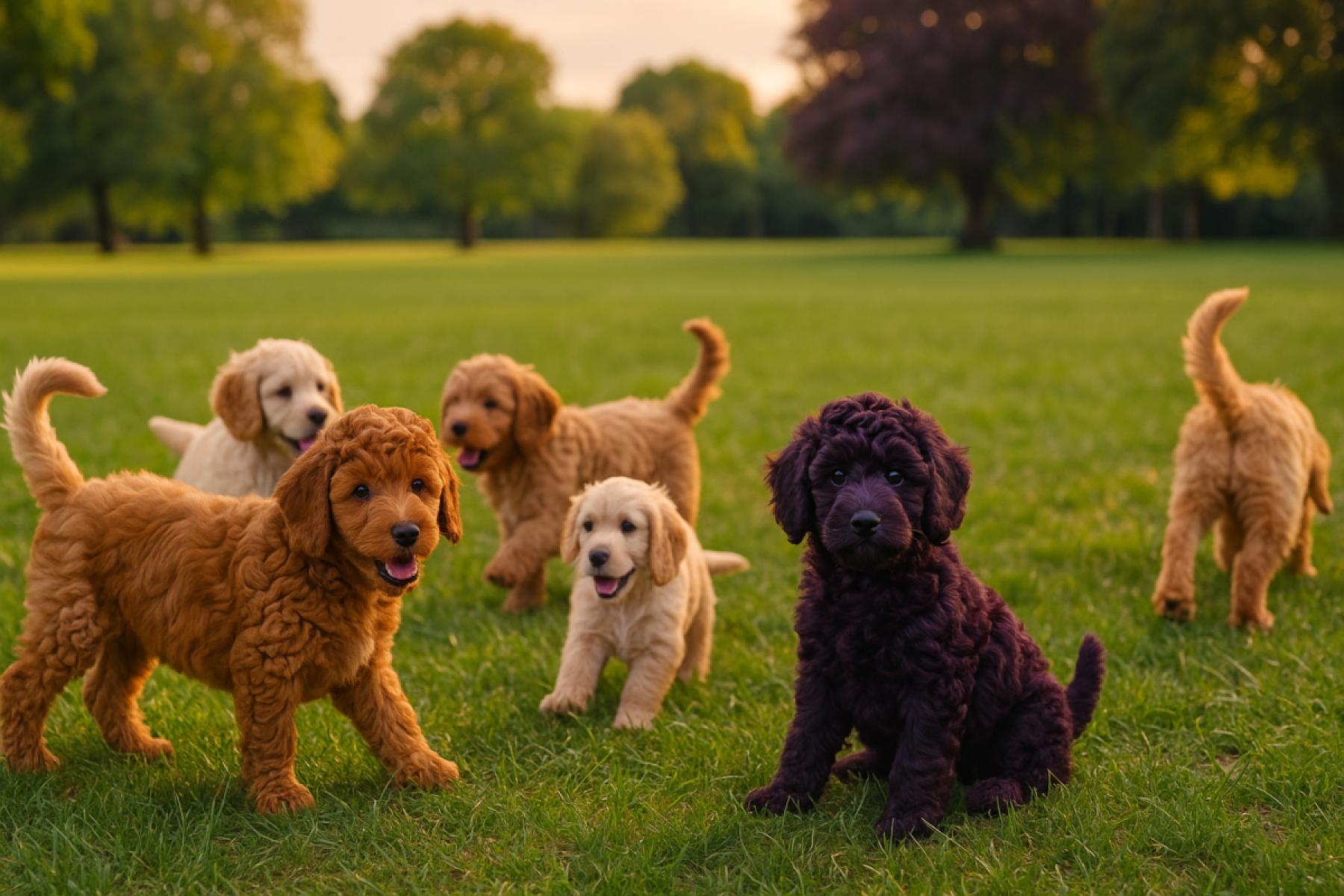
From birth to 16 weeks, puppies go through their most critical learning period. Both breeders (0-8 weeks) and new families (8-16 weeks) play a vital role in shaping their future behavior and temperament.
What Breeders Do: 0-8 Weeks
A responsible elite dog breeder sets the foundation for a puppy’s confidence and adaptability.
During these first weeks, puppies should be exposed to:
- New sights, sounds, and textures (e.g., household noises, different flooring types).
- Gentle handling and human interaction to build trust and prevent fearfulness.
- Early exposure to grooming
- Positive early experiences with crates and car rides to ease transitions.
- Safe exposure to other friendly dogs and people to encourage social skills.
Bio-Sensory Exercises & Early Scent Introduction
We incorporate bio-sensory stimulation (also known as the Early Neurological Stimulationprogram) in our puppies’ early development. These simple exercises, performed from Day 3 to Day 16, help:
- Strengthen the heart and immune system.
- Improve stress tolerance and problem-solving skills.
- Build resilience to new experiences.
Additionally, early scent introduction is used to engage puppies’ natural curiosity and scenting abilities. Introducing them to different smells helps them develop into confident, adaptable dogs.
By 8 weeks, a well-socialized puppy is ready to transition into their new home with confidence.
What Families Should Do: 8-16 Weeks
Once a puppy goes home, daily socialization is essential to prevent fear-based behaviors later in life. Key experiences include:
- Meeting new people (adults, children, different clothing styles).
- Exploring various environments (parks, pet-friendly stores, different surfaces).
- Encountering new animals (safe, vaccinated dogs and other pets).
- Getting used to grooming (nail trims, brushing, baths).
All these can be done on safe sealed surfaces
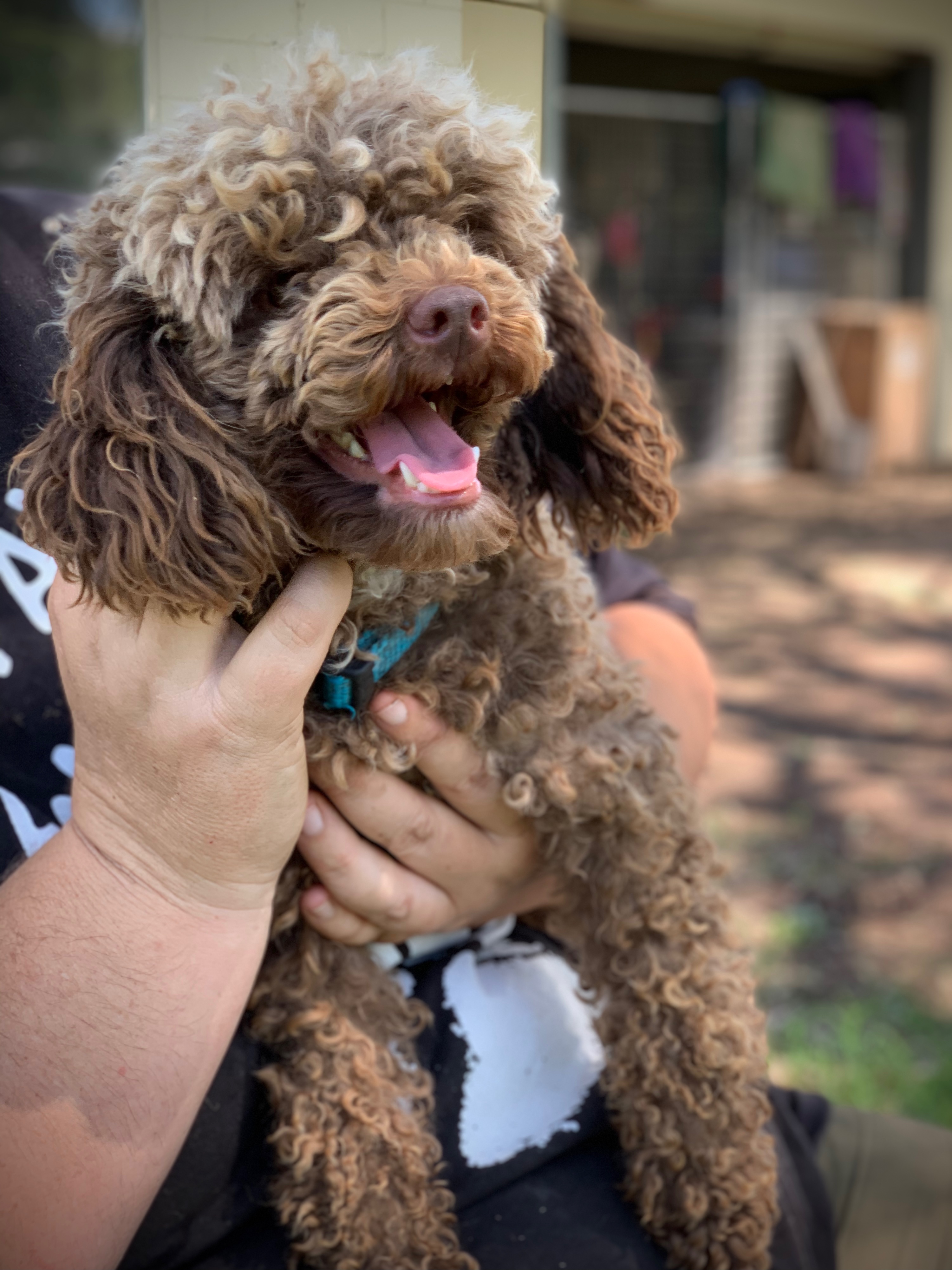
Understanding Fear Periods
Puppies go through two fear periods where they may become more sensitive to new experiences:
- First Fear Period (8-10 weeks): Puppies may suddenly become nervous about things they were previously fine with. Avoid overwhelming experiences and focus on positive reinforcement.
- Second Fear Period (6-14 months): As they reach adolescence, some puppies may become hesitant around new experiences. Continue socialization and training to reinforce confidence.
Early Obedience & Learning to Love Learning
Obedience training is not just about teaching commands—it’s about building an engaging relationship where your puppy loves to learn! A well-trained dog is more confident, reliable, and enjoyable to live with.
Vaccination Protocols & Socialization
Proper vaccination schedules are important for safe socialization. Puppies should have their:
- First vaccination at 6-8 weeks (before leaving the breeder).
- Second vaccination at 10-12 weeks.
- Final vaccination at 14-16 weeks (depending on vet recommendations).
Until fully vaccinated, safe socialization should include puppy classes, supervised playdates with vaccinated dogs, and exposure to new environments in a controlled way (e.g., carrying your puppy in public places an using sealed surfaces ).
Recommended Online Training Resources
For expert guidance, we highly recommend:
- Raising Your Puppy with Michael Ellis – Learn how to build engagement and focus while raising a well-behaved puppy.
- Do More With Your Dog – Fun trick training that enhances learning and strengthens your bond.
Investing in Your Puppy’s Future
Whether you’re raising a Toy Poodle dog, a dog for training, or searching for dogs for adoption, early socialization and training set them up for success. A well-adjusted dog is not just a pleasure to own—it’s a reflection of the time and care put into their upbringing.
If you’re interested in dog breeding or bringing home a well-socialized puppy, contact us to learn more about our puppies and their early enrichment programs!