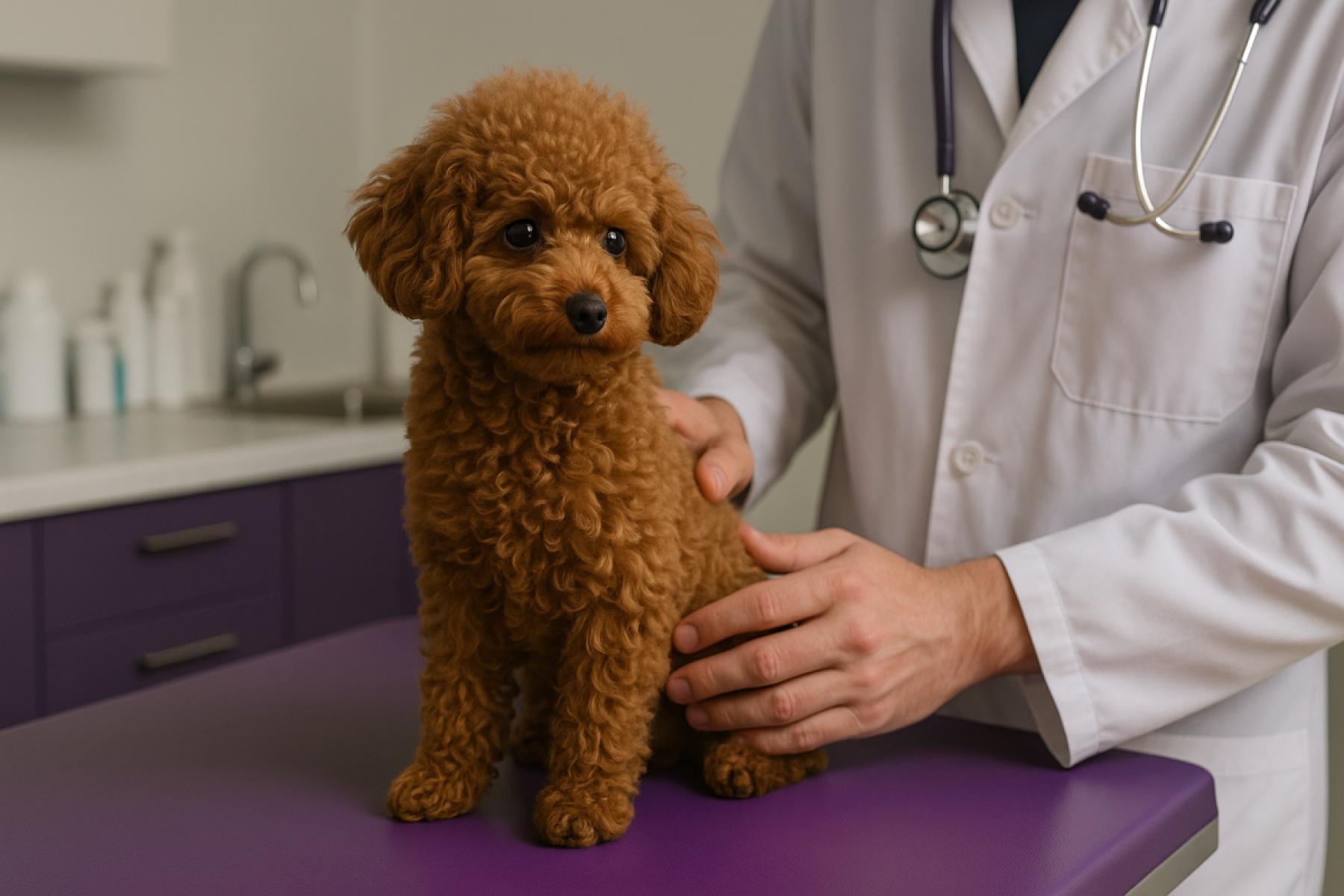
Seeing your puppy throw up can be unsettling, even though a single episode might simply be their body’s natural way of handling minor stomach upsets. It’s completely normal to feel concerned when those occasional bouts become more frequent or appear particularly forceful, as this could be a sign that something isn’t quite right.
In this article, we outline the range of factors that can contribute to a puppy’s vomiting—from eating too quickly or indulging in dietary indiscretions to more serious infections or gastrointestinal issues. You’ll find clear guidance on recognising what is typical and when it might be time to seek veterinary advice, all aimed at helping you provide the best care for your little companion.
Understanding Puppy Vomiting: What It Is and Why It Occurs
Vomiting in puppies is a natural mechanism that helps clear the stomach of substances that may be irritating or harmful. It’s an active process where the body forcefully expels stomach contents through the mouth. While occasional vomiting can be a reflex to an upset stomach, it’s important for owners to pay attention to the frequency and severity of these episodes, as they can sometimes signal an underlying issue that needs closer attention.
Puppy vomiting is a protective response; the body senses something is amiss and triggers a vigorous expulsion to prevent further irritation. However, understanding the difference between normal and concerning episodes is crucial, as well as recognising the various triggers that might cause a puppy to throw up.
How Vomiting Differs from Regurgitation
Vomiting is typically an active and forceful process accompanied by abdominal contractions and sometimes even retching. It usually expels partially digested food and other stomach contents. In contrast, regurgitation is a passive process where undigested food is expelled without the strong abdominal effort. For example, while a puppy might regurgitate if it eats too quickly and the food barely reaches the stomach, vomiting is more likely when there is irritation or infection, making it a more intense and noticeable reaction.
Typical vs. Concerning Vomiting Episodes
Not every bout of vomiting is a cause for alarm. Isolated incidents, where a puppy vomits once and seems otherwise playful or normal, are often just a minor hiccup in digestion. However, repeated or forceful vomiting, especially if it contains blood or appears very different from the usual, may indicate a more serious problem. Owners should be alert to changes in the frequency, force, or appearance of the vomit. These changes, combined with other signs like lethargy or a decreased appetite, might require prompt veterinary attention.
Why Vomiting Happens in Puppies
There are several reasons why puppies may resort to vomiting. Dietary indiscretion—such as eating too quickly, overeating, or consuming non-food items—can lead to a temporary upset in the stomach. Stress from new environments or changes in routine can also trigger vomiting. Additionally, infections like parvovirus or bacterial invasions can cause the digestive system to react violently. Given that puppies have sensitive and developing systems, they are particularly vulnerable to these triggers. Recognising the underlying cause is the first step in ensuring your puppy gets the care they need.
Common Causes of Puppy Vomiting
Puppy vomiting can stem from a variety of causes, ranging from minor issues related to eating habits to more serious medical concerns. Understanding these triggers helps you monitor your puppy’s health and take appropriate action when needed.
Dietary Indiscretion and Eating Too Fast
One of the most frequent causes of puppy throwing up is dietary indiscretion. Puppies, with their curious nature, may eat too quickly or overindulge, which overloads their delicate digestive system. Rapid eating can lead to air swallowing and an upset stomach, while overeating or ingesting foods they aren’t accustomed to can trigger a temporary rejection of food. Simple changes like using a slow feeder bowl and dividing meals into smaller portions can help manage this issue.
Ingestion of Toxins or Foreign Objects
Another common culprit is the ingestion of harmful substances. Puppies often explore their surroundings with their mouths, which puts them at risk of eating toxic plants, chemical substances, or non-food items like small toys. Such substances can irritate the stomach lining, leading to vomiting. If you suspect your puppy has ingested something potentially dangerous, seek veterinary advice immediately, as prompt intervention is crucial.
Viral and Bacterial Infections (Including Parvovirus)
Infections are a significant cause of vomiting in puppies. Viral infections, notably parvovirus, can lead to severe gastrointestinal distress and rapid dehydration. Bacterial infections may also upset the balance of normal gut flora, provoking frequent vomiting. Considering the high risk and serious nature of infections like parvovirus, it is important to follow vaccination protocols and monitor your puppy closely. For more on parvovirus prevention and risks, refer to this detailed guide from RSPCA NSW: Keep Your Dog Safe from Parvovirus.
Underlying Gastrointestinal Disorders
Sometimes, vomiting is a sign of deeper digestive issues. Conditions such as parasitic infestations, intestinal obstructions, or inflammatory bowel disorders can lead to recurrent vomiting episodes. These underlying disorders may require diagnostic tests like blood work or ultrasounds to determine the exact cause, and they typically need ongoing management and targeted treatment from your veterinarian.
By being aware of these common triggers, you can better assess your puppy's condition and decide when to provide extra care or seek professional advice.
Recognising Symptoms and Warning Signs
Noticing when your puppy’s vomiting is more than just an isolated incident can help you act quickly to safeguard their health. While occasional vomiting might pass without consequence, there are several signs that indicate a more serious issue may be at hand. Being attentive to both the nature of the vomit and your puppy’s overall behaviour is key to early detection and prompt intervention.
Noting Changes in Vomit Appearance
The look and consistency of your puppy’s vomit can be a useful indicator of what’s going on behind the scenes. For instance, a slight change in colour or a frothy consistency might be expected after a minor upset, but more drastic changes—such as the presence of bright red streaks or a very dark, coffee-ground appearance—could suggest internal bleeding or severe irritation. Similarly, if you notice bile or a very foamy texture, this can point to issues related to an empty stomach or gastro-intestinal distress. Paying close attention to these details can guide you on whether the situation might require medical attention.
Behavioural Symptoms to Watch For
Beyond the physical appearance of the vomit, your puppy’s behaviour often provides important clues. If your puppy seems unusually lethargic, refuses to eat, or displays signs of pain such as a hunched posture or groaning, these can be red flags indicating that the vomiting is part of a broader health problem. Other behavioural changes to note include increased irritability or a reluctance to move around, which might suggest discomfort or abdominal pain. Monitoring these behavioural symptoms closely helps you decide if it’s time to consult your veterinarian.
Other Associated Symptoms (Diarrhoea, Dehydration)
Vomiting rarely occurs in isolation. Often, it goes hand-in-hand with other symptoms like diarrhoea, which can rapidly lead to dehydration—a serious concern in puppies due to their small size and developing systems. Signs of dehydration include dry gums, sunken eyes, or slow skin elasticity (a skin tent test can help assess this). If you observe these associated symptoms along with frequent or severe vomiting, it’s important to act fast. Keeping a record of these episodes, including any changes in stool consistency and overall energy levels, can greatly assist your vet in diagnosing potential underlying issues.
By staying alert to these warning signs, you’re better positioned to ensure that your puppy receives the timely care they need to bounce back to good health.
Immediate At-Home Care Steps
When your puppy starts throwing up, there are several practical, at-home measures you can take to help settle their stomach while you observe for any signs that may require professional intervention. It’s important to act promptly but calmly, ensuring your puppy remains comfortable as you implement these steps. Remember, these are initial measures, and if the vomiting continues or worsens, contacting your veterinarian is essential.
Withholding Food Temporarily
One of the first actions to take is to withhold food for a short period—typically about six hours. This break allows your puppy’s stomach to rest and recover from irritation without the distraction of digesting a full meal. During this fasting window, monitor your puppy’s behaviour closely. If the vomiting stops and energy levels seem to improve, you can then consider gradually reintroducing food with milder options.
Ensuring Adequate Hydration
While withholding food, it’s crucial to keep your puppy hydrated. Offer small, frequent sips of water rather than a large amount at once, which might trigger another bout of vomiting. If your puppy is reluctant to drink, try using a syringe (without the needle) to administer water slowly. Maintaining hydration helps prevent the risk of dehydration, which is a particular concern for puppies due to their smaller body size.
Introducing a Bland Diet Gradually
Once the vomiting has subsided, you can begin reintroducing food with a bland diet. A common recommendation is to serve boiled, skinless chicken and plain rice in small, easily digestible portions. Start with small meals and gradually increase the quantity if your puppy tolerates the food well. This gentle reintroduction can help reset the digestive tract without overwhelming your puppy’s system.
Monitoring and Documenting Symptoms
Keep a detailed record of your puppy’s symptoms from the onset of vomiting. Note the frequency, appearance of the vomit (such as colour, consistency, or presence of bile), and any accompanying signs like lethargy or changes in appetite. This log can be especially useful when discussing your puppy’s condition with your veterinarian, providing clear insights into the progression of their symptoms and helping determine if further intervention is necessary.
Dietary and Feeding Adjustments
Adjusting your puppy’s diet can play a key role in preventing recurrent episodes of puppy throwing up. Making gradual, informed changes helps keep your puppy’s digestive system stable while ensuring they still receive all the nutrients they need for healthy growth.
Gradual Transition When Changing Foods
When you decide to switch your puppy’s food, it’s important to do so gradually. Abrupt dietary changes can upset their stomach, leading to vomiting or diarrhoea. Start by mixing a small amount of the new food with their current diet and slowly increase the ratio over several days. This slow introduction helps their gastrointestinal system adjust, reducing the likelihood of digestive distress.
Selecting Easily Digestible Foods
Choosing food that is gentle on the stomach can be especially beneficial for puppies prone to throwing up. Look for diets formulated with high-quality, easily digestible ingredients that minimise irritation. Foods with simple, natural ingredients are less likely to trigger gastrointestinal upset. A balanced, easily digestible meal supports your puppy’s development and keeps their tummy happy, which is paramount when trying to curb vomiting episodes.
Using Feeding Tools to Prevent Overeating
Puppies that eat too quickly often suffer from overindulgence, which can lead to vomiting. Slow feeder bowls or puzzle feeders are great tools to help control the pace of eating. These feeding tools not only encourage your puppy to take smaller, more measured bites but also add a bit of fun to mealtime. By moderating their speed, you give their stomach more time to process food, which can reduce the risk of irritations that lead to vomiting.
Ensuring Nutritional Quality for Puppy Growth
While managing your puppy’s digestive sensitivities, it’s also vital not to compromise on nutritional value. A diet that is both gentle and rich in essential nutrients supports robust growth and overall health. Choose foods that meet the specific needs of puppies, balancing energy requirements with digestive care. This approach ensures your puppy receives all necessary vitamins and minerals, helping them thrive while minimising the risk of recurring gastrointestinal issues.
By adopting these dietary and feeding adjustments, you’ll not only address immediate concerns like puppy throwing up but set the foundation for lifelong digestive health. Regularly reviewing and adjusting your puppy’s diet as they grow can also help prevent future problems, ensuring that mealtime remains a positive experience.
Assessing Dehydration and Other Key Indicators
Vomiting can lead to dehydration quite rapidly, especially in puppies due to their smaller size and less resilient systems. It’s crucial to be vigilant for dehydration signs so you can intervene early. The following methods can help you assess your puppy’s hydration status and alert you to other potential concerns.
Before heading to the veterinarian, you can perform simple at-home checks. These observations are useful indicators for when professional care might be necessary.
Conducting a Skin Tent Test
The skin tent test is a straightforward way to assess skin elasticity, which is a helpful marker of hydration. To perform this test, gently lift the skin on the back of your puppy’s neck or between the shoulder blades. Release the skin and observe how quickly it returns to its normal position. In a well-hydrated puppy, the skin should snap back rapidly, usually within one to two seconds. If the skin hangs in a “tent” for longer than this, it may be an indication of dehydration. Remember, this is just one tool—couple this test with other observations to get an overall picture.
Checking Mucous Membranes and Gums
Your puppy’s gums offer another visual clue to their hydration status. Healthy gums are moist and have a consistent pink colour. When checking, gently lift the lip to inspect the gums. If you notice that they feel dry or tacky, or if the colour appears pale or has any unusual tint, it could be a sign that your puppy is not getting enough fluids. This simple examination can be very revealing, especially when used alongside the skin tent test.
Observing Behavioural Indicators
Beyond physical checks, behaviour can also signal dehydration or other complications. If your puppy is noticeably lethargic, has sunken eyes, or seems unusually irritable, these could be red flags. An aversion to drinking water or a significant decrease in activity levels might suggest that the dehydration is impacting their overall wellbeing. By keeping an eye on these behavioural indicators, you can make a more informed decision about when to seek veterinary advice.
Combining these assessments can provide you with a clearer understanding of your puppy’s condition. Should these signs of dehydration or other abnormalities persist despite at-home measures, it is important to consult your veterinarian promptly to ensure your puppy receives the necessary care.
When to Seek Veterinary Care
Even though some instances of puppy throwing up can be managed at home, there are clear situations where veterinary care becomes essential. Puppies have smaller, more delicate systems, so any sign of serious distress should prompt immediate professional advice.
If you notice that your puppy is experiencing multiple vomiting episodes within a short period, or the vomit contains blood or an unusual colour (such as dark, coffee-ground appearance), it's time to consult your veterinarian. Other red flags include persistent lethargy, refusal to drink, or continual diarrhoea, all of which can quickly lead to dehydration—a serious risk for any puppy.
Additionally, if your puppy shows signs of abdominal pain (such as a tense, painful abdomen or a change in posture), or if there are noticeable behavioural changes like increased irritability or a marked drop in energy, these are clear indicators that something more serious is at play. Remember, prolonged vomiting without improvement, especially when coupled with signs of dehydration, requires prompt attention to avoid complications.
For detailed advice on when veterinary intervention is necessary, consult this resource from Vet Voice: What to Do If Your Pet Vomits or Has Diarrhoea. Because puppies can deteriorate rapidly, erring on the side of caution and seeking professional help as soon as any of these symptoms occur is the best way to ensure your puppy remains safe and healthy.
Veterinary Diagnosis: What to Expect
When you bring your vomiting puppy to the veterinarian, you can expect a comprehensive evaluation designed to uncover the root cause of the issue. The vet will begin with a thorough physical examination and a detailed discussion about your puppy’s recent behaviour, dietary changes, and overall health. This initial consultation is essential to decide which diagnostic tests are needed to pinpoint the problem accurately.
Common Diagnostic Tests and Procedures
Your veterinarian may recommend several diagnostic tests to assess your puppy’s condition. Blood work is commonly performed to evaluate for infections, inflammation, and any abnormalities in electrolytes or organ function. X-rays or ultrasounds might be used to detect gastrointestinal obstructions, swallowed foreign objects, or other structural issues within the abdomen. These tools help the vet distinguish between a simple upset stomach and more serious conditions such as parvovirus or inflammatory bowel disorders.
Information to Prepare for Your Vet Visit
To streamline the diagnostic process, it’s helpful to come prepared with a detailed record of your puppy’s symptoms. Note the frequency, appearance, and duration of the vomiting episodes, along with any changes in appetite, behaviour, or stool consistency. Bring along your puppy’s vaccination records and make a note of any recent dietary changes or possible exposures to toxins. This information offers valuable context and assists your veterinarian in making a swift and accurate diagnosis.
Differential Diagnosis: Ruling Out Serious Conditions
Using a combination of physical examination findings and diagnostic test results, your veterinarian will work to rule out various conditions that could be causing the vomiting. By systematically eliminating options such as gastrointestinal obstructions, parvovirus, and other inflammatory conditions, the vet can focus on the most likely causes. This process, known as differential diagnosis, is crucial in determining the appropriate treatment plan—whether that involves fluid therapy, medications, or further monitoring to ensure your puppy recovers safely.
Treatment Options for Puppy Vomiting
When it comes to managing puppy vomiting, treatment options vary depending on both the severity of the symptoms and the underlying cause. In many cases, early and appropriate intervention can minimise complications and speed up recovery. Below are the common treatment approaches used by veterinarians and recommended for at-home care once a serious cause has been ruled out.
Medications and Anti-Nausea Treatments
For puppies experiencing frequent or severe vomiting, veterinarians often prescribe medications to help control the nausea and reduce the vomiting reflex. Anti-emetic drugs, such as maropitant citrate, are commonly used to calm the stomach and prevent further episodes of vomiting. In some cases, other supportive medications may be added to address inflammation or discomfort in the gastrointestinal tract. Always follow your vet’s instructions regarding dosage and duration of any medications.
Fluid Therapy and Hospitalisation
In cases where puppies show signs of dehydration or have been vomiting for an extended period, fluid therapy becomes a crucial component of treatment. Fluid therapy can be administered either intravenously (IV) or subcutaneously, helping to restore electrolyte balance and maintain hydration. For puppies with moderate to severe dehydration, hospitalisation might be necessary to ensure that fluids are administered safely and effectively, and to monitor vital signs closely during recovery.
Dietary Management and Supplemental Support
After stabilising the puppy’s condition, reintroducing food gradually is key. Veterinarians typically recommend starting with a bland diet—commonly boiled, skinless chicken mixed with plain rice—that is gentle on the digestive system. This allows the gastrointestinal tract to recover without the strain of rich or complex ingredients. In addition to the bland diet, supplemental supports such as probiotics or digestive aids can be beneficial. Probiotics help restore the balance of good bacteria in the gut, aiding digestion and reinforcing overall gut health.
Follow-Up Care and Continued Monitoring
Recovery from vomiting isn’t just about immediate treatment—it also requires careful follow-up. Keep a close eye on the puppy’s eating habits, energy levels, and any further episodes of vomiting. Regular check-ups with your veterinarian are important to ensure that your puppy is on the path to full recovery and to adjust treatment if the situation evolves. Maintaining a symptom diary, including details about food intake, behaviour, and any recurring issues, can be a valuable tool during these follow-up visits.
By following these treatment paths under veterinary guidance, you can help your puppy recover safely while minimising the risk of further complications. Each step—from medications and fluid therapy to dietary adjustments and routine monitoring—is designed to support your puppy’s health and ensure a smooth return to normal, happy, and active days.
Preventative Measures and Long-Term Health Strategies
Taking a proactive approach to your puppy's well-being can make a lasting difference in preventing future vomiting episodes and ensuring robust overall health. By establishing good habits now, you help build a strong foundation that supports your puppy’s growth and digestive stability long-term.
Regular Vaccinations and Parasite Control
Maintaining an up-to-date vaccination schedule is key in shielding your puppy from infections that can cause severe gastrointestinal distress. Coupled with routine parasite control measures, such as regular deworming and flea prevention, these steps protect your pet against harmful viruses and invasive parasites. Consistent care in these areas not only minimises the risk of bouts of vomiting but also contributes to a more resilient immune system overall.
Creating a Safe Feeding Environment
A calm and controlled feeding environment can significantly reduce the likelihood of digestive upset. Ensure that your puppy’s eating area is free of distractions and hazards. This means keeping potentially toxic substances and small, non-food items well out of reach. Using designated feeding tools—like slow feeder bowls or puzzle feeders—can help moderate the pace at which your puppy eats, reducing the risk of overeating and the associated gastrointestinal strain that might lead to vomiting.
Stress Management and Routine Establishment
Puppies thrive under consistent routines. Establishing a predictable schedule for feeding, play, and rest can help reduce stress, which is a known trigger for vomiting. When introducing any changes—whether it’s a new food or a shift in routine—do so gradually to allow your puppy to adapt comfortably. A steady environment reassures your little companion and keeps their digestive system stable by minimising anxiety-induced upset.
Routine Veterinary Check-Ups for Early Intervention
Regular veterinary visits are an essential part of long-term preventive care. These check-ups provide an opportunity to catch potential issues early and to adjust dietary recommendations or preventive treatments as needed. During your visits, discuss any minor changes in appetite, behaviour, or digestive patterns with your vet. Early intervention helps prevent small issues from escalating into more serious problems, ensuring that your puppy continues to thrive.
Taking these preventative measures not only gives your puppy the best chance at a healthy digestive life but also helps build lasting habits that support overall well-being. For ongoing expert advice and more tips on keeping your pet healthy, visit sirandipoodlesandoodles.com.
Brief Wrap-Up
While a single episode of puppy throwing up is often no cause for alarm, knowing when to take action is key to maintaining your puppy’s overall health. Recognising the subtle cues—whether it’s a change in vomit appearance, shifts in behaviour, or accompanying symptoms like diarrhoea and dehydration—can help you make informed decisions. By monitoring these signs closely, you can ensure that your puppy gets the care needed at the right time.
Managing your puppy’s diet by introducing new foods gradually, employing feeding tools like slow feeder bowls, and establishing a stable, low-stress environment are all effective strategies to reduce the frequency of upsetting episodes. Regular veterinary check-ups, up-to-date vaccinations, and proper parasite control round out a proactive approach to sustaining your pet's digestive health.
Always remember, if your puppy continues to throw up or shows other worrying symptoms, prompt veterinary care is essential. For more expert advice and trusted insights on puppy care, visit Sir and i Poodles and Oodles.
A little attention and early action can make a big difference in ensuring your puppy leads a happy, healthy life.