
Pannus in dogs is thought to have a genetic component but also environmental factors.
Predisposed breeds
Certain dog breeds, such as German shepherds, border collies, and greyhounds, are more likely to develop pannus.
Genetic studies
Cornell University is studying the genomic regions associated with pannus risk in working dog breeds. Embark Veterinary is also collecting blood samples to identify genetic risk factors.
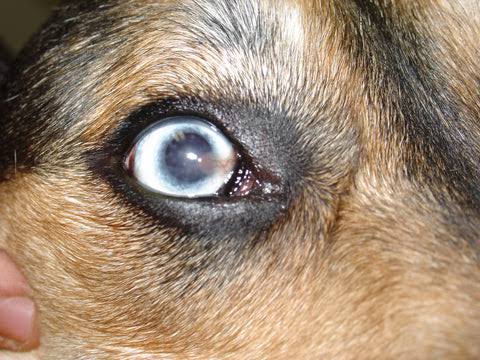
Pannus, also known as chronic superficial keratitis, is an inflammatory disease that affects a dog's cornea. Other factors that can contribute to -pannus include:
- UV exposure: Dogs living at higher altitudes or in hot climates are more likely to develop pannus.
- Immune system: Pannus may be caused by an inappropriate immune response against the cornea.
- Underlying eye conditions: Other eye conditions can contribute to pannus.
- Symptoms of pannus include: A pink mass on the cornea, Cloudiness, Thickening of the third eyelid, and Vision loss.
Early diagnosis and treatment are important to preserve vision.
Dr. S. Ashton PhD veterinary medicine.