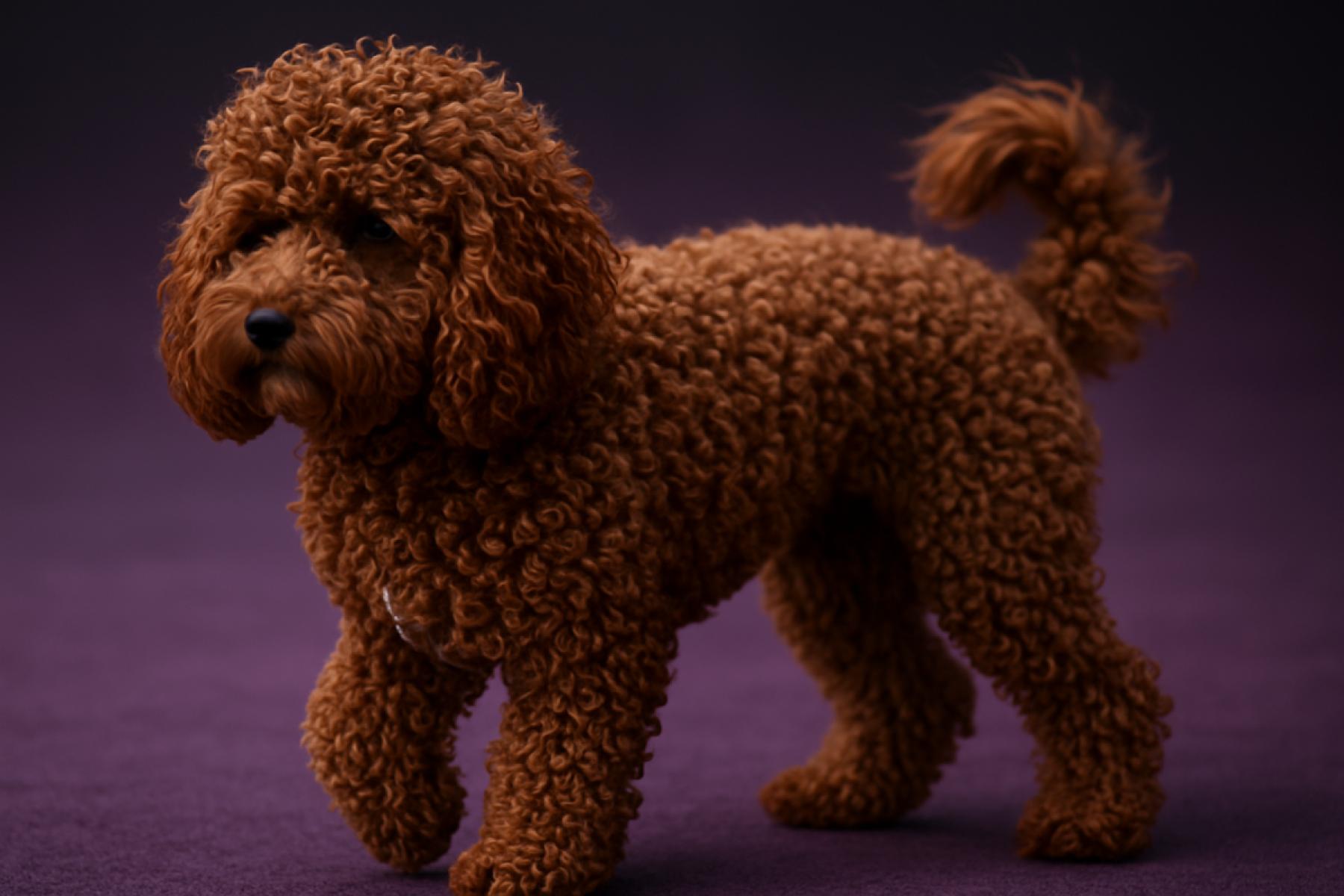
Curly Cavoodles are more than just a pretty coat—each twist and curl tells a story of careful breeding and thoughtful care. Whether you're a new puppy parent or have years of experience, understanding the unique characteristics of a Curly Cavoodle’s fur can make a noticeable difference in your pet’s happiness and well-being.
This guide offers clear, practical insights into the essentials of coat care, from recognising the genetic influences behind those tight, springy curls to matching the right grooming techniques with your dog's needs. It explains the differences between curly, wavy, and straight types and provides actionable tips on maintaining a robust, healthy coat, all tailored for Aussie pet owners.
Step forward to explore 10 essential facts designed to help you keep your Curly Cavoodle looking and feeling their best. Whether you’re dealing with seasonal changes or picking up new nutrition tips, the advice here will support you in nurturing a comfortable and stylish companion.
Essential Fact 1: Understanding the Curly Cavoodle Coat
The unique appearance of a Curly Cavoodle is defined by a blend of genetic influences from both Poodle and Cavalier King Charles Spaniel ancestors. This mix results in a coat that stands out with its tight, springy curls and soft, cuddly texture. Understanding these characteristics can help you appreciate not only its beauty but also the practical needs that come with maintaining such a coat.
Before diving deeper into the specifics, it’s important to recognise that the curly texture is more than just a visual trait—it reflects the careful breeding practices that prioritise both health and temperament. This foundation plays a big role in how the coat responds to grooming and overall care routines.
Characteristics of Curly Coats
Curly coats in Cavoodles are marked by their well-defined, tight spirals that can feel both bouncy and luxuriously soft. The texture tends to be resilient yet requires careful detangling to avoid mats and snags. Unlike straighter coats, these curls often maintain a fuller, more voluminous appearance that enhances the dog’s overall charm.
Breed Origins and Genetic Influence
The distinct curly coat is the result of a deliberate blend of Poodle genes—which traditionally offer dense, curly fur—and the softer, sometimes smoother traits seen in Cavalier breeds. This genetic combination not only shapes the look of the fur but also influences its maintenance requirements, as the curly structure can trap less loose hair and dander compared to other types.
Visual Comparisons
When you compare curly coats to their wavy or straight counterparts, the differences become immediately noticeable. A curly coat looks more compact and uniformly coiled, while wavy fur displays a looser, flowing pattern, and straight fur offers a flatter, simpler texture. Recognising these nuances can help you decide on the best grooming and care regimen suited to your individual Cavoodle.
Essential Fact 2: The Genetic Influences Behind Coat Types
The look and feel of your Curly Cavoodle’s coat is more than skin deep—it’s a living testament to complex genetic interplay. Understanding these underlying influences can enhance your ability to care for your dog’s unique fur, as genetic factors not only determine the curliness but also impact overall coat quality and health.
Overview of Canine Coat Genetics
Canine coat genetics are far from straightforward. Experts believe that up to 15 different genes can influence traits such as curl formation, density, and even shedding patterns. In Curly Cavoodles, the mosaic of genes inherited from both Poodle and Cavalier ancestors contributes to the distinct curly texture. Each gene plays its own part, and their interactions can result in a fur that’s both resilient and luxurious, while also highlighting the importance of careful breeding practices.
How Genetics Affect Coat Health
The genes that shape a dog’s coat do more than dictate its appearance; they can also have a significant impact on the overall health of the fur and the skin beneath. For example, certain genetic markers are linked to the strength and condition of the hair shafts, which can influence susceptibility to matting and skin irritations. A well-balanced genetic makeup not only produces those charming, tight curls but also helps reduce tendencies for excessive shedding and dander accumulation, making the coat easier to maintain and less likely to cause allergies for sensitive owners.
Scientific Insights and Resources
Modern genetics has opened up exciting avenues for understanding canine coat traits. Recent scientific studies have delved into the specifics of coat pigmentation and texture, offering valuable insights into why certain fur types perform better in terms of health and ease of care. For readers interested in a more in-depth exploration, the Canine Coat Pigmentation Genetics review provides a comprehensive scientific look into these genetic dynamics. This research underlines the importance of genetics in both the aesthetic and practical aspects of dog care.
Essential Fact 3: Distinguishing Curly from Wavy and Straight Coat Types
Understanding the differences between curly, wavy, and straight coats is key to tailoring your dog's grooming routine and maintenance practices. Not every Cavoodle displays the same type of fur, and recognising the specific traits of each coat type can help you adjust your care routine accordingly. In this section, we break down what sets these coat types apart, the grooming implications, and practical tips for everyday observation.
Defining Each Coat Type
Curly coats are characterised by their tight, springy curls that create a compact and bouncy appearance. These curls are typically uniform throughout, providing a dense texture that many owners find both adorable and distinctive. In contrast, wavy coats offer a looser, more undulating pattern. They often display gentle, flowing waves that provide a softer, less structured look. Finally, straight coats remain smooth and flat, lending a simpler, low-maintenance finish compared to their curly or wavy counterparts.
Maintenance Differences
Each coat type brings its own grooming demands. Curly coats, with their tight spirals, can be prone to tangles and may demand more frequent and careful brushing to prevent matting. Wavy coats, while less dense than curly ones, still benefit from regular detangling to keep the waves defined and free-flowing. Straight coats are generally simpler to manage, often requiring only occasional trimming to keep them neat; however, they might shed more noticeably. By understanding these maintenance differences, you can better decide whether to handle grooming at home or seek professional assistance when necessary.
Practical Observations for Owners
When assessing your Cavoodle’s coat, a few key indicators can help you identify its type. Look for the overall structure: do you see tight, uniform curls, gentle waves, or a smooth, unbroken surface? Notice how the coat behaves when you run your hand through it—curly fur will feel springy and compact, while straight fur offers a smoother glide. Practical observations such as these not only aid in selecting the right grooming tools and techniques but also help you spot any changes in coat condition that could hint at underlying health issues. Maintaining a regular check-up of your dog's coat ensures that your furry friend stays comfortable and well-cared-for throughout the year.
Essential Fact 4: Hypoallergenic Benefits and Minimal Shedding
The tight, well-defined curls of a curly cavoodle do more than just add to the dog's charming appearance—they also play a crucial role in reducing allergens in your home. Because the curls naturally trap loose hair and dander, these pups tend to shed far less than many other breeds. This means that sensitive owners can enjoy all the companionship of a furry friend with a lower risk of allergic reactions.
Allergen Reduction Explained
Tightly coiled curls act as a natural filter by holding onto hair and dander rather than allowing them to disperse into the air. This containment minimises the spread of allergens, which is particularly beneficial for individuals who are prone to pet allergies. By keeping shedding to a minimum, the curly cavoodle’s coat can contribute to a cleaner, more allergy-friendly environment.
Benefits for Sensitive Owners
Many people with allergies often avoid traditional dog breeds because of constant pet hair and the accompanying allergens. However, the unique characteristics of a curly cavoodle’s coat can offer an appealing alternative. Not only does the reduced shedding lower the chance of triggering allergic reactions, but the need for less frequent cleaning also helps maintain a healthier living space. As a result, families and individuals who otherwise might be hesitant to have a dog can more comfortably enjoy the companionship of a cavoodle.
Supporting Evidence
Observational studies and owner experiences consistently highlight the hypoallergenic benefits of breeds with curls. Though no dog is completely allergen-free, the minimal shedding characteristic and the ability of the curls to trap dander serve as practical evidence for the advantages of owning a curly cavoodle. This reduced exposure to common allergens often translates into fewer allergy symptoms, underlining why many pet owners with sensitivities prefer this breed.
Essential Fact 5: Essential Brushing and Detangling Techniques
Regular and careful brushing is key to maintaining a healthy, tangle-free coat for your curly cavoodle. Given the natural tendency of tight curls to form mats if neglected, a consistent grooming routine helps not only in enhancing appearance but also in promoting overall coat and skin health. For curly cavoodles, a regular brushing schedule is a must—ideally every other day, or even daily during periods when the coat tends to mat faster. Adopting the right tools and techniques makes all the difference in keeping your furry friend comfortable and looking their best.
Recommended Grooming Tools
When it comes to detangling those dense, springy curls, using the right grooming tools is essential. A de-matting comb provides gentle leverage for working through stubborn knots without pulling too hard on the hair. A slicker brush, with its fine bristles, is ideal for loosening mats and smoothing out the fur. Additionally, a stainless steel comb can help in reaching the deeper layers of the coat, ensuring that all tangles are addressed. Each tool plays a specific role in the grooming process and can be used in combination to achieve a polished finish.
Brushing Frequency and Techniques
For curly cavoodles, a regular brushing schedule is a must—ideally every other day, or even daily during periods when the coat tends to mat faster. Consistent brushing helps prevent the formation of painful tangles and maintains the natural bounce of the curls. When brushing, start at the ends of the hair and work your way up slowly to the skin, which minimizes discomfort and reduces the risk of breakage. It’s important to be patient and gentle; working in small sections makes the process more manageable and effective.
Step-by-Step Grooming Routine
- Begin by lightly dampening the coat if it is particularly dry or matted—this can help ease the detangling process.
- Use a de-matting comb to gently tease apart any large knots, easing the tangles before brushing.
- Follow up with a slicker brush to smooth out the curls and remove any loose hair, working in the direction of hair growth.
- Run a stainless steel comb through the coat to ensure that all strands are free from minor tangles.
- Finish the routine by giving your cavoodle a gentle pat or massage, reinforcing a positive grooming experience.
By following this routine, you not only keep your dog looking chic but also contribute significantly to their overall comfort and health.
Essential Fact 6: Bathing, Clipping, and Hair Maintenance Routines
While regular brushing is crucial, keeping your curly cavoodle’s coat in top shape requires a comprehensive approach that includes bathing, clipping, and overall maintenance. A well-rounded routine not only boosts the coat’s appearance but also supports skin health, ensuring your furry friend remains comfortable and happy throughout every season.
Optimal Bathing Practices
A thoughtful bathing routine is key to maintaining natural oils and preventing skin dryness. For most curly cavoodles, bathing every 4 to 6 weeks strikes the right balance between cleanliness and preserving protective skin moisture. It’s wise to use a mild, dog-friendly shampoo that supports the coat’s natural texture while gently cleansing away dirt and debris. Remember, over-bathing can strip away essential oils, so stick to a regular schedule tailored to your pet’s activity levels and the local climate.
Clipping and Trimming Guidelines
In addition to regular bathing, strategic clipping and trimming play a significant role in hair maintenance. Focus on areas such as around the eyes, ears, and paws, where excess hair can cause discomfort or impede proper vision. Light trims help prevent tangles and mats from forming in these sensitive spots. Many owners find that occasional professional grooming can make a big difference; experienced groomers know how to blend trims smoothly with the natural curl pattern, ensuring a polished look without compromising the coat’s integrity.
Post-Bath Care and Drying
After a bath, thorough drying is essential to prevent skin irritation and reduce the potential for matting. Ideally, gently towel-dry the coat first, then use a pet-safe dryer on a low heat setting to finish the job. Ensuring the fur is completely dry not only protects against fungal infections but also helps to maintain the natural bounce of those curly locks. A careful post-bath routine reinforces your cavoodle’s overall coat health, making subsequent brushing sessions easier and more effective.
Essential Fact 7: Seasonal Grooming: Adapting Care in Different Climates
As Australia’s climate can vary dramatically from tropical heat to cool, dry winters, adapting your grooming routine to suit the seasons is essential for keeping your curly cavoodle comfortable and healthy. Seasonal changes can affect not only how much your dog sheds but also the overall condition of their fur and skin. By fine-tuning your grooming practices throughout the year, you help maintain an optimal environment that supports your pet’s unique coat and well-being.
Adjustments for Summer and Winter
In the heat of summer, your curly cavoodle's coat can become dense and may retain more moisture, leading to a heavier feel and potential overheating. During these months, more frequent brushing may help remove any trapped dirt and sweat, and a slightly shorter trim can keep your pet cooler without compromising their signature curls. In contrast, winter brings cooler temperatures and drier conditions that can affect the skin and coat quality. In the colder months, you might notice that your dog's fur appears a bit dull or prone to tangling. Ensuring the coat is kept clean and well-moisturised, along with a careful, regular grooming routine, can help combat dryness and maintain the natural bounce of your cavoodle’s curls.
Tick and Parasite Prevention
Tick season in Australia can pose significant challenges. Shorter, well-maintained hair makes it easier to spot ticks and other parasites lurking in the fur. Consider scheduling a professional grooming session or trimming key areas more frequently during high-risk periods, particularly around the ears, neck, and underbelly. Alongside regular grooming, using vet-approved tick prevention treatments can be a proactive approach to keeping your curvy companion safe. This blend of consistent hygiene and targeted inspections becomes invaluable in minimising the risk of infestations and ensuring early detection should any parasites manage to find a way into your pet’s coat.
Local Climate Considerations
Different regions in Australia come with their own set of challenges when it comes to pet care. For those residing in more humid areas, such as Queensland or the tropical north, preventing excess moisture build-up in the coat is a priority. Regular brushing and adequate drying after baths are key to avoiding mould or irritation. Meanwhile, in cooler or drier parts of the country, additional measures such as hydrating sprays or conditioners designed for canine skin can help maintain moisture levels. Tailoring your grooming routine to the specific climate of your area will not only keep your curly cavoodle looking great but also promote the overall health and comfort of your pet throughout the year.
Essential Fact 8: Nutrition and Its Impact on Coat Health
A nutritious diet is fundamental to maintaining a shiny, robust coat in your curly cavoodle. What your pet eats plays a crucial role in overall skin health and fur quality, helping to keep the curls soft, resilient, and less prone to damage. With the right balance of essential nutrients, you can support not only a lovely appearance but also a healthy immune system and energy levels.
Proper nutrition goes hand in hand with regular grooming. It creates a foundation for well-hydrated skin and minimizes issues like dryness or irritation that can affect the coat's appearance. With a focus on high-quality ingredients and balanced diets, you can enhance your dog's natural beauty while promoting overall wellness.
Key Nutrients for a Healthy Coat
Integrating key nutrients into your cavoodle's diet is essential for maintaining a lustrous coat. Omega-3 and omega-6 fatty acids are particularly important; they help reduce inflammation, support skin hydration, and contribute to a healthy shine in the fur. Vitamins such as A and E, along with biotin, also play a significant role in skin repair and hair growth, ensuring that the delicate structure of your dog's curls remains strong and resilient.
The Role of Balanced Diets
A balanced diet provides more than isolated nutrients—it supports the entire system. For your curly cavoodle, a diet crafted with high-quality proteins, healthy fats, and the right carbohydrates ensures that every part of their body, including the skin and coat, functions optimally. This holistic approach not only enhances the overall condition of your pet's fur but also promotes improved skin health and energy, making the necessary grooming routines much more effective and less stressful.
Supplement and Food Recommendations
If you feel your cavoodle's coat could benefit from an extra boost, consider discussing dietary supplements with your veterinarian. Fish oil supplements are a favourite among many pet owners for their concentrated source of omega-3 fatty acids. Additionally, incorporating nutrient-rich foods such as salmon, walnuts, or flaxseed into their meals can further enhance coat quality. There are also specialised dog foods available that target skin and coat health, making it easier to provide balanced nutrition without compromising on flavour or quality.
By adopting a nutrition-focused approach, you can help ensure that your curly cavoodle’s coat remains vibrant and healthy, contributing to a happier, more energetic pet.
Essential Fact 9: Recognising and Managing Common Coat Problems
Even the most well-cared-for curly cavoodles can experience coat issues from time to time. Being proactive about recognising early signs of common coat problems can make a significant difference in your pet’s overall comfort. Regularly checking your dog’s fur and skin for any unusual changes helps in catching issues before they worsen.
Common Issues to Look Out For
Matting is one of the most frequent challenges with curly coats. When these tight curls aren’t regularly groomed, they can tangle and form painful mats. Additionally, skin irritations—such as redness, flakiness, or rashes—may signal underlying issues like allergies or infections. Keep an eye out for any signs of discomfort, such as scratching or excessive licking, which can indicate that the skin beneath the coat needs attention. Early detection of these issues not only improves your dog’s comfort but also prevents more serious complications over time.
Preventative Grooming Measures
Routine grooming plays a critical role in preventing coat problems. Establishing a schedule that includes regular brushing, detangling, and occasional professional grooming sessions can help maintain a healthy, tangle-free coat. Use the recommended tools—such as de-matting combs and slicker brushes—to gently work through the fur. Consistent care minimizes the chance for matting and helps keep the skin free from debris and irritants. Additionally, using a conditioner formulated for dogs during bathing can help maintain moisture and reduce the risk of dryness or irritation.
Expert Resources for Further Guidance
If you're ever in doubt about your cavoodle’s coat condition or need additional advice on managing more persistent problems, seeking expert guidance is always a good option. The RSPCA Dog Grooming Guide offers a wealth of expert tips and detailed procedures for maintaining a healthy coat. This resource is especially beneficial for those looking to refine their home grooming techniques or when considering professional grooming services.
By staying vigilant and following a consistent grooming routine, you can ensure that any potential coat problems are managed quickly and effectively. This not only keeps your curly cavoodle looking their best but also ensures they remain comfortable and healthy.
Essential Fact 10: When to Seek Professional Grooming Assistance
Even the most dedicated pet owners sometimes find that home grooming can only go so far. While a regular grooming routine is essential, there are moments when a professional’s expertise becomes indispensable for your curly cavoodle’s well-being. Professional groomers bring specialised tools and techniques that can help manage persistent issues, ensuring your pet not only looks great but feels comfortable too.
Signs That Home Grooming Isn’t Enough
One clear indicator is persistent matting that just won’t budge despite your best efforts. If you notice that tangles or mats are forming rapidly or causing your cavoodle discomfort, it might be time for a professional touch. Skin irritations, excessive redness, or areas that seem sensitive during grooming sessions are also signals that your dog might need specialised care. Additionally, if your furry friend shows signs of stress or discomfort during home grooming, a professional groomer experienced with curly coats can handle the process gently and efficiently.
How to Find a Reputable Professional
Finding a trustworthy groomer is crucial to ensuring that your curly cavoodle receives the best care. Start by asking your veterinarian for referrals or seeking recommendations from other local pet owners. Look for professionals who have experience with curly-coated breeds and hold relevant certifications or accreditations in pet grooming. It’s also a good idea to read online reviews and potentially visit the grooming facility to observe the environment and equipment used. A reputable groomer will be transparent about their processes and prioritise the safety and comfort of your pet throughout the grooming session.
The Benefits of Expert Care
Opting for professional grooming can lighten your load and bring significant benefits to your pet’s overall health. Expert groomers have a nuanced understanding of coat types and know precisely how to handle stubborn mats or delicate areas without causing pain. Their timely intervention can prevent minor issues from escalating into more serious skin conditions, ensuring that your curly cavoodle’s coat remains healthy and vibrant. Additionally, regular professional grooming sessions can enhance your pet’s comfort, reduce the time you need to spend on at-home maintenance, and offer valuable advice tailored to your pet’s specific needs.
By recognising the signs that indicate the need for professional care and knowing how to select a reliable groomer, you can ensure that your curly cavoodle enjoys a stress-free grooming experience. This not only helps maintain their stunning appearance but also supports their overall health and happiness.
Final Thoughts
In wrapping up, maintaining a beautiful, healthy coat for your curly cavoodle is truly a labour of love. From understanding the unique genetic makeup behind those delightful tight curls to adopting a comprehensive grooming routine that adapts to seasonal changes, each essential fact discussed serves as a valuable checkpoint in your pet’s care journey.
By keeping a keen eye on proper nutrition, recognising early signs of coat problems, and knowing when to seek professional grooming assistance, you can ensure that your furry companion not only looks great but feels comfortable every day. This holistic approach reinforces that effective care isn’t just about aesthetics—it’s about nurturing the overall health and happiness of your curly cavoodle.
For more detailed advice on breed care, quality breeding practices, and additional expert guidance, feel free to explore the resources at sirandipoodlesandoodles.com. Your journey to keeping your companion dog at its best continues just a click away.