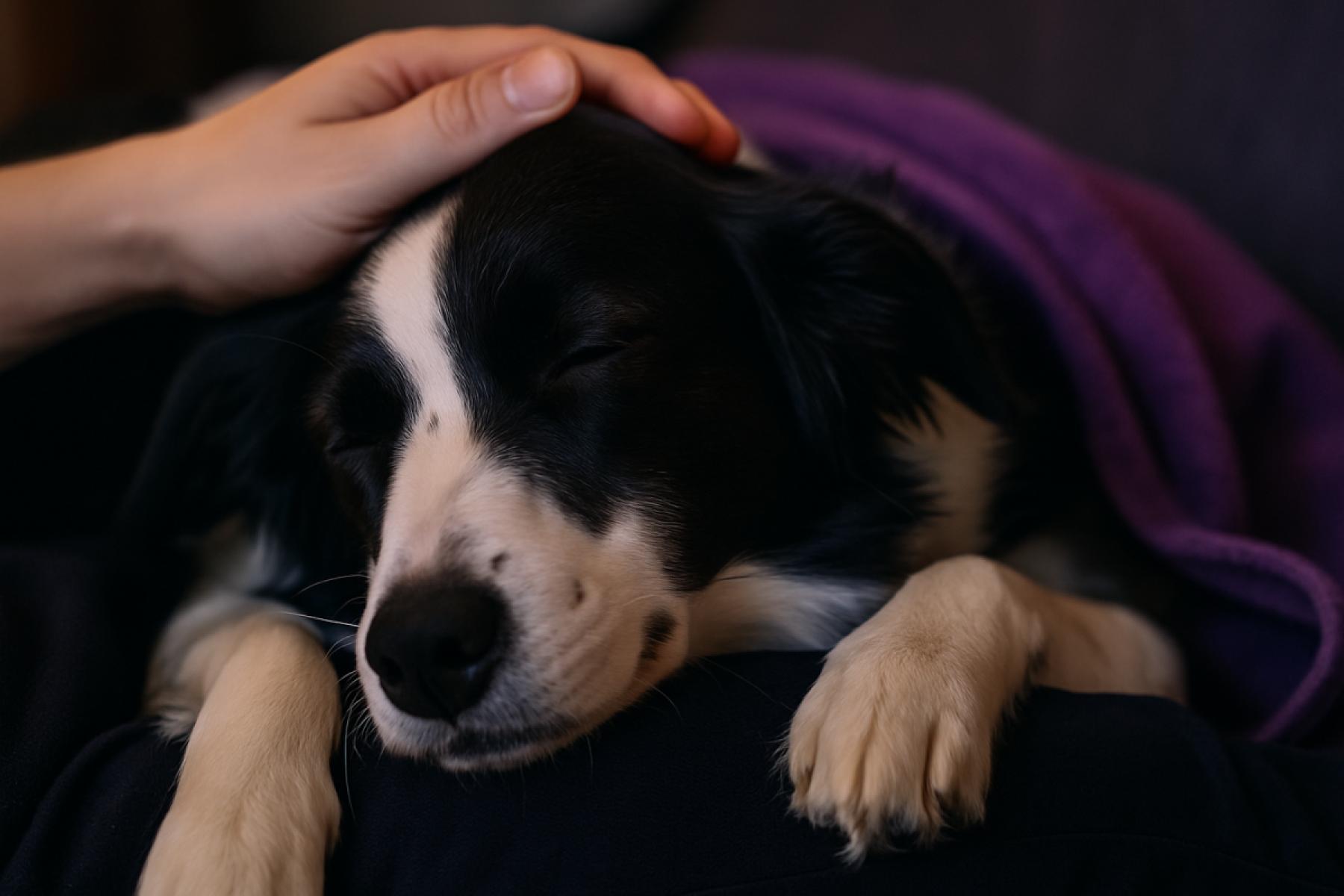
Natural Remedies & Tips
Many dog owners sometimes wonder how to ease the everyday stress their canine companions face.
This guide presents seven natural approaches to help create a more relaxed environment for your dog, blending hands-on tactics with proven research.
Whether it’s through tailored training sessions, structured exercise routines, or soothing techniques such as calming music, aromatherapy, and gentle massage, each method is selected with safety and effectiveness in mind.
By sharing expert insights and practical tips, the article serves as a roadmap for anyone looking to support their dog’s well-being in a balanced, holistic way. With a focus on ethical practices and customisable solutions – including expert training options implemented by professionals like Sirandi Poodles and Oodle’s – these strategies are designed to foster both confidence and calm in every furry friend.
1. Professional Dog Training Services for a Calmer Canine
A structured and professional dog training program can be a game changer in reducing nervous behaviours and promoting calmness in dogs.
With expert guidance, dog training focuses on building confidence, establishing clear boundaries, and reassuring dogs in uncertain situations.
Training sessions are designed not only to create a well-behaved pet but also to help manage anxiety by engaging the dog in constructive activities that reinforce positive behaviours.
About the Benefits of Professional Training
Professional training instils discipline and nurtures a well-adjusted mindset.
Structured programs, particularly those focused on obedience and socialisation, can significantly decrease disruptive behaviours that often cause or exacerbate anxiety. For example, regular obedience sessions teach dogs to respond promptly to commands, while group play or socialisation classes help them learn how to interact safely and confidently with other animals and people.
Sirandi Poodles and Oodle’s Training Approach
At Sirandi Poodles and Oodle’s, the training philosophy centres on personalised, expert-led sessions that focus on developing a calm and composed companion. Their trainers tailor programs to match each dog’s unique personality and needs, ensuring that techniques such as positive reinforcement work effectively. Whether through one-on-one sessions or group classes, the emphasis is on creating an encouraging atmosphere that not only teaches new skills but also nurtures a dog’s overall well-being. To learn more about their comprehensive training programs, visit Sirandi Poodles and Oodle’s.
Real-World Examples and Tips
Simple, practical strategies can make a significant difference in helping a dog remain calm. For instance, setting consistent rules within the home—like designated spaces for downtime—and reinforcing these with treats and praise can create a predictable environment that reduces stress.
Reward-based techniques, such as offering a treat when your dog sits quietly or waits patiently, are proven methods to encourage calm behaviour.
Additionally, integrating play sessions that are structured yet flexible helps to drain excess energy while reinforcing positive habits.
2. Daily Exercise and a Consistent Routine
A regular exercise regimen is essential for keeping your dog both physically fit and mentally balanced. Daily physical activity not only provides an outlet for their energy but also plays a key role in reducing stress and improving overall mood. When exercise is combined with a well-planned daily routine, it helps the dog establish a sense of predictability and security, which is especially important for managing anxiety.
Establishing a routine can be as simple as having set times for walks, feeding, and play. Knowing what to expect day-to-day gives your dog a comforting structure that eases transitions and reduces stress. Whether your dog thrives on vigorous exercise or prefers gentler activities, the important thing is consistency. This regularity acts as a natural anchor, particularly during times when they might otherwise feel unsettled or overwhelmed by sudden changes.
The Role of Exercise in Stress Reduction
Physical activities such as daily walks, play sessions, or even a game of fetch are proven to help expend excess energy and produce endorphins—those feel-good hormones that alleviate stress. Regular exercise aids in stabilising mood swings while also reducing physical and mental tension. Dogs that engage in consistent activity tend to be more relaxed and better able to cope with unexpected stimuli or disruptions.
Creating a Consistent Daily Routine
A structured schedule not only benefits your dog’s physical health but also nurtures a sense of security and calmness. Setting regular times for meals, walks, play, and rest allows your dog to anticipate what comes next, reducing anxiety that can arise from unpredictability. Even small adjustments, like a short training session before bedtime or a quick play moment after a meal, contribute to this structured environment. For many owners, establishing a routine means integrating exercise seamlessly into daily life, creating a balanced rhythm that benefits both the pet and the human.
Practical Exercise Ideas
To easily incorporate daily exercise, consider starting with a morning walk that sets a positive tone for the day. Interactive activities, such as playing fetch in a nearby park or engaging in a quick agility drill at home, can be both fun and stimulating for your dog. Short, frequent training sessions interspersed with physical activities are also effective. For example, a brisk walk after a meal followed by a few minutes of playtime can provide both mental stimulation and a chance to expend energy in a controlled manner. These practical ideas not only keep your dog physically active but also help reinforce steady, calm behaviours throughout the day.
3. Calming Music and White Noise Therapy
A growing body of research suggests that sound can be a powerful tool for soothing anxious dogs. Carefully selected music and white noise are known to create a soothing background that masks disruptive sounds, helping dogs to remain calm even when faced with environmental stressors. Whether it’s the rumble of thunder or the unpredictable noise of a busy household, these audio therapies have been shown to have a measurable impact on a dog’s behaviour and overall well-being.
When the right soundscape is played, dogs experience a reduction in their fight-or-flight response. Studies have indicated that certain musical frequencies and gentle melodies can help regulate the nervous system by lowering heart rates and easing tense muscles, leading to a calmer state of mind. This isn’t just about filling the silence – it’s an intentional use of sound to create an environment that actively promotes relaxation.
The Science Behind Audio Therapy
Scientific research has identified several key factors in audio therapy that benefit a dog’s nervous system. For example, studies have shown that repetitive, soothing patterns in music can decrease cortisol levels, a hormone associated with stress. Moreover, white noise has the ability to smooth out sudden, jarring sounds that might otherwise trigger anxiety in sensitive dogs. The calming effects are linked to the rhythm and tone of the audio, influencing the brain in a way that encourages relaxation.
Tips for Choosing the Right Soundscapes
When it comes to picking the perfect auditory companion for your dog, it pays to be selective. Start by experimenting with playlists specifically curated for pets—many streaming platforms now offer collections designed to reduce anxiety in dogs. Look for genres that feature soft melodies and steady rhythms instead of heavy beats or sudden changes in volume. Additionally, white noise machines or apps can be particularly effective, especially during times when disturbances are expected, such as during storms or when your pet is home alone.
Setting Up a Calming Sound Environment
Integrating audio therapy into your dog’s routine can be straightforward. Consider scheduling a session of calming music or white noise during known stress periods—this might be when you leave for work, during a thunderstorm, or even at night to help your dog settle down. Ensure that the volume is kept at a moderate level, which is comfortable for your dog’s sensitive ears. Create a dedicated quiet space where your dog can relax undisturbed, and let the soothing soundscape play continuously to help drown out any unexpected, potentially anxiety-inducing noises.
By combining research-backed insights with practical application, calming music and white noise therapy can serve as a valuable addition to your overall strategy for keeping dogs calm.
4. Aromatherapy and Essential Oils for Anxiety Relief
Using natural scents to soothe a dog's nerves is a popular and effective method for alleviating anxiety. Aromatherapy leverages the calming properties of certain essential oils to positively influence a dog's mood and overall stress levels. When applied safely and correctly, these oils can contribute to a more relaxed state by interacting with the brain's limbic system—the area responsible for emotions and memory.
Understanding Aromatherapy in Canine Care
Aromatherapy for dogs works by harnessing the power of natural plant extracts to create a soothing environment. When inhaled, the scent molecules interact with receptors in the nasal passages, sending signals to the brain that help ease stress. This method provides a gentle, non-invasive way to support your dog's emotional well-being, making it a worthwhile addition to other anxiety-reducing strategies like exercise and training.
Key Essential Oils for Calming
Among the several options available, lavender is one of the most commonly used essential oils for calming dogs. Its soothing aroma has been shown to have mild sedative effects that can help reduce agitation and nervousness. Citrus oils, such as bergamot, are also popular due to their fresh scent and mood-enhancing properties. These oils, when used properly, can work in tandem with other natural remedies to create a balanced approach to easing canine anxiety.
Scientific Insights and Dosage Guidelines
Scientific studies support the use of essential oils as a tool to mitigate anxiety in dogs. Research, such as that documented in studies available on PubMed, demonstrates that certain aromas can significantly reduce stress-related behaviours. It is important to follow proper dilution guidelines—a common recommendation is to dilute essential oils to a 0.5-1% concentration for canine use. For instance, mixing one drop of essential oil with 100 millilitres of a carrier oil ensures a safe application, whether it be for a topical massage or a diffuser blend.
Safety Considerations When Using Essential Oils
While the benefits of aromatherapy are appealing, ensuring safety is paramount. Not all essential oils are safe for dogs. Always consult your veterinarian before introducing any new essential oil into your pet's routine, as dogs can have individual sensitivities or allergies. Use only high-quality, pure oils and adhere strictly to dilution protocols. Observe your dog closely for any signs of irritation or discomfort, and if any adverse reactions occur, discontinue use immediately. This cautious approach ensures that aromatherapy remains a supportive, rather than harmful, component of your dog's overall care plan.
5. Natural Herbal Supplements for Canine Calmness
Natural herbal supplements have long been a trusted addition to a holistic approach in supporting a dog’s nervous system health. These remedies often harness traditional botanicals known for their mild sedative effects, helping to promote relaxation without the added risk of harsh chemicals. As part of a broader strategy to help dogs calm, herbal supplements can provide a gentle boost to your pet’s overall well-being.
Overview of Calming Herbal Supplements
Herbal supplements such as chamomile, valerian, and passionflower have a history of safe use in both humans and animals. Chamomile, for example, is recognised for its soothing properties, while valerian is often used to address mild anxiety. These natural agents work by affecting the body’s neurochemical pathways, helping to lower stress and support a calm state. Many pet owners find that incorporating one or a combination of these supplements into their dog’s diet can support a balanced, serene temperament.
Evidence-Based Benefits of Herbal Remedies
Scientific research is increasingly backing the benefits of herbal supplements in managing anxiety. Several studies suggest that the active compounds in these herbs can help modulate stress responses in dogs, easing behaviours associated with nervousness and hyperactivity. For instance, controlled trials have noted improvements in relaxation and a reduction in disruptive anxiety behaviours when well-formulated herbal supplements are included in a pet care regimen. While these benefits may vary on a case-by-case basis, the evidence supports the use of these natural remedies as a viable option for many dogs.
Guidelines for Safe Supplement Use
When adding any herbal supplement to your dog’s routine, safety must be your first priority. It’s essential to adhere to recommended dosage guidelines, as over-supplementation could lead to unintended side effects. Typically, the guidelines involve starting with a lower dose and gradually increasing if needed, all under the supervision of your veterinarian. Always choose high-quality products from reputable sources, and be sure to check for proper labelling and usage instructions. Monitoring your dog for any signs of adverse reactions is also critical, ensuring that the supplement aligns well with their specific health needs.
Integrating Supplements with a Holistic Approach
Herbal supplements work best when integrated into a comprehensive strategy that includes proper exercise, training, and a stable routine. Rather than relying solely on supplements, many pet owners find success by combining these natural remedies with behavioural modifications and environmental adjustments. This holistic approach not only helps in managing anxiety but also promotes overall health. By aligning herbal supplements with practices such as regular walks, engaging play, and consistent veterinary check-ups, you create a balanced method for supporting your dog’s calmness and long-term well-being.
6. Behavioural Desensitisation and Socialisation Techniques
Behavioural desensitisation and socialisation techniques offer a gentle, systematic approach to easing your dog's anxiety. By gradually introducing potentially stress-inducing scenarios in a controlled manner, you help your pet build confidence without overwhelming them. This method allows dogs to become more accustomed to triggers that once caused stress, paving the way for a calmer, more adaptable companion.
What is Desensitisation?
Desensitisation is a behavioural strategy that involves exposing your dog to a low level of a potentially upsetting stimulus over a period of time. The goal is to help the dog slowly adapt and reduce its emotional reaction. By starting with a minimal intensity—whether it’s a soft sound, a distant visual cue, or a light touch—you give your dog the opportunity to acclimate without fear. As your pet becomes more comfortable, you can incrementally increase the stimulus until they learn to remain calm in its presence.
Step-by-Step Socialisation Practices
Integrating socialisation into your dog’s daily routine involves careful planning and gradual exposure. Start by introducing your dog to low-key environments where the potential stressors are present but not overwhelming. For instance, you might begin with a quiet park during off-peak hours before progressing to busier settings. Pair each new experience with positive reinforcement—treats, gentle praise, or play—to help your dog associate novel situations with a positive outcome. Over time, this steady exposure aids in reducing fear and builds a foundation for confident interaction.
Observing and Recognising Progress
Monitoring your dog's reactions throughout the process is essential for adjusting the approach. Keep an eye on subtle signs of comfort, such as a relaxed posture, steady breathing, or a willingness to engage with the environment. If you notice hesitation or signs of distress, take a step back and allow additional time at the current level of exposure before progressing. Documenting these reactions can help you identify patterns, ensuring that each new challenge remains at an appropriate level for your dog’s comfort zone.
Practical Examples for Everyday Use
In practical terms, these techniques can be integrated into your daily life with simple yet effective actions. For example, if your dog is unsettled by busy streets, start with a quiet walk along a similar route during a less busy time of the day. Gradually expose them to brief intervals of increased traffic while keeping the experience positive and controlled. Alternatively, when introducing new sounds—like the hum of a lawn mower—allow your dog to observe from a safe distance before slowly decreasing the separation. These small, incremental steps help transform the unknown into a familiar, non-threatening part of their routine.
By adopting these desensitisation and socialisation practices, you not only help your dog overcome anxiety but also cultivate a deeper bond through trust and understanding. This tailored approach is a key element of a holistic strategy to keep your furry friend calm and well-adjusted.
7. Massage and Relaxation Techniques for Dogs
Massage and relaxation methods offer a natural way to ease your dog's muscle tension while simultaneously calming their mind. These techniques not only help reduce stress and anxiety, but they also foster a deeper bond between you and your canine companion. By incorporating regular massage into your dog's routine, you can create a comforting ritual that supports both physical and emotional well-being.
The Benefits of Canine Massage
Massage can play a pivotal role in reducing anxiety by lowering stress hormone levels and promoting the release of endorphins, the body’s natural feel-good chemicals. In addition to calming the mind, massage improves circulation, aids in muscle recovery, and can even help reduce discomfort associated with aging or physical strain. Many dog owners notice that a session of gentle massage results in a more relaxed and content pet, ready to enjoy the rest of the day with fewer signs of tension.
Techniques for Effective Dog Massage
When beginning a massage routine, it’s important to proceed with gentle, deliberate strokes and observe your dog's response. Start by offering light, circular motions on areas such as the neck, shoulders, and back. Gradually move on to other areas like the legs and abdomen, being mindful of pressure—always ensuring it is comfortable for your dog. Begin with short sessions, around 5 to 10 minutes, and gradually extend the duration as your dog becomes accustomed to the process. Consistency and a calm demeanor can help reinforce these sessions as a positive part of your dog’s daily care.
Creating a Relaxing Environment for Massage
A tranquil setting can significantly enhance the effects of a massage. Choose a quiet space free from distractions and dim the lights to create a soothing ambiance. Playing soft, gentle music in the background can further aid in reducing anxiety and promoting relaxation. Consider using a favourite blanket or cushion to provide extra comfort for your pet. This dedicated space not only signals a time for relaxation but also establishes a regular routine that helps your dog anticipate and benefit from the massage sessions.
When to Seek Professional Massage Therapy
While at-home massage techniques can be highly beneficial, there are instances when professional intervention is advisable. If your dog exhibits persistent muscle stiffness, has joint issues, or shows signs of chronic pain, consulting a veterinary massage therapist is a smart step. Professionals are equipped with the expertise to diagnose and tailor specific massage treatments suitable for your pet’s needs. They can also offer guidance on advanced techniques and proper adjustments to ensure that your dog receives a safe and effective touch therapy.
Understanding Canine Anxiety: Causes and Signs
Dogs, like people, can experience anxiety due to multiple factors that range from environmental triggers to physiological changes. Recognising what might be triggering your dog's stress is the first step in managing and eventually alleviating these feelings. Some dogs show subtle signs while others can display more obvious behaviours that signal distress. By understanding these causes and their signs, you can better support your pet through targeted interventions and seek professional advice when needed.
Common Causes of Canine Anxiety
Many factors can contribute to a dog's anxiety. Common causes include separation from family members, exposure to loud noises such as thunderstorms or fireworks, and significant changes in their daily routine or home environment. For example, a move to a new house or the arrival of a new pet can unexpectedly unsettle a dog. Additionally, past traumatic experiences may leave a dog more susceptible to stress when faced with similar situations in the future.
Recognising Behavioural Signs of Anxiety
It’s important to look out and respond to a range of behavioural signs that may indicate your dog is stressed. Some dogs become overly vocal, engaging in persistent barking or whining, while others might pace, tremble, or display restlessness. In some cases, a normally social dog may withdraw from interactions or appear unusually clingy. These responses serve as cues that your pet might be signalling their discomfort, and addressing these behaviours early on can help prevent more intense anxiety later.
Environmental and Physiological Triggers
Apart from obvious external stressors, environmental factors like changes in weather or disruptions in the household can also upset a dog's equilibrium. Even variations in diet or abrupt changes in physical activity levels might contribute to an anxious state. By observing your dog’s reaction to different environments or routine shifts, you can begin to pinpoint specific triggers. Consistent observation and record-keeping can be useful in identifying patterns that might otherwise be overlooked.
When to Seek Professional Advice
While some anxiety can be managed with home remedies and lifestyle adjustments, there are instances when professional guidance is essential. If your dog shows persistent or worsening anxiety symptoms despite your efforts, or if new behaviours such as extreme fear or aggression emerge, it may be time to consult a veterinarian or a professional dog behaviourist. These experts can help rule out any underlying medical issues, offer tailored advice, and suggest advanced strategies for managing anxiety.
By understanding the causes and recognising the signs of canine anxiety, you are better equipped to create a supportive environment for your dog. Early detection paired with well-informed care can lead to a healthier, more balanced life for your beloved pet.
Safety & Regulatory Considerations for Natural Remedies in Australia
When exploring natural remedies to help keep your dog calm, it’s crucial to ensure that the methods and products you use comply with Australian regulatory standards. Adhering to these guidelines not only guarantees the efficacy of the treatments but also protects your beloved pet from potential risks associated with improperly formulated products. With a range of natural solutions available, understanding the legal and safety framework is a key step in making informed decisions.
Overview of Australian Regulatory Guidelines
The Australian Pesticides and Veterinary Medicines Authority (APVMA) provides clear guidelines on the use of natural and herbal remedies in animals. These regulations are designed to ensure that any aromatherapy, essential oil blend, or herbal supplement on the market has undergone rigorous assessments for safety and efficacy. Familiarising yourself with these guidelines can help you identify products that are both compliant and reliable, adding an extra layer of assurance to your pet’s care routine.
Ensuring the Safety of Aromatherapy and Herbal Products
Safety checks are essential when choosing aroma-based or herbal products for your dog. Look for products with proper labelling that clearly states ingredients, dilution ratios, and usage instructions. Well-certified products typically adhere to strict manufacturing standards, ensuring that the essential oils and herbal components do not contain harmful additives. Paying close attention to these details helps prevent adverse reactions and guarantees that you are providing your pet with a safe, supportive remedy.
Trusted Sources and Certification
To further ensure the quality of the natural remedies you choose, it is important to source products from reputable suppliers who meet Australian safety standards. Certification from recognised bodies, including approval by the APVMA, is a solid indicator that a product has been carefully evaluated. Before making a purchase, check for certification marks or third-party reviews that confirm the product’s compliance with regulatory guidelines. This diligence can provide peace of mind and ensure that your dog is benefiting from treatments that are both safe and effective.
The Importance of Professional Guidance
Even with high-quality, certified products, professional guidance remains a cornerstone of safe pet care. Consulting with a veterinarian is essential before introducing any new remedy, especially if your dog has pre-existing health conditions or is taking other medications. A professional can offer personalised advice, help monitor your dog’s response to the new product, and make recommendations that align with your pet’s overall health plan. This combination of regulatory knowledge and expert consultation creates a holistic approach that prioritises your dog’s well-being.
Frequently Asked Questions About Keeping Dogs Calm
Understanding how to keep dogs calm can sometimes raise more questions than answers. In this section, we address several of the most common concerns from dog owners. Whether you're curious about the best natural remedies or considering combining various methods, these FAQs are designed to offer clear, research-backed insights to help you support your pet's well-being.
Which Natural Remedies Work Best for Most Dogs?
There isn’t a one-size-fits-all remedy when it comes to calming dogs. Many pet owners find that integrating several approaches—such as professional training, a consistent routine, calming music, aromatherapy, and even herbal supplements—yields the best results. The effectiveness of each remedy largely depends on your dog's breed, temperament, and the specific stressors in their environment. Observing how your dog responds to each method can help you tailor a personalised approach that keeps them calm and happy.
How Long Does It Take to Notice a Change?
The time it takes to see a noticeable difference in your dog's behaviour can vary. For some, improvements may be apparent within days of establishing a regular exercise routine or playing calming music. Others, especially when incorporating professional training or natural supplements, may require several weeks before a significant change is evident. Consistency is key, so maintaining a steady routine and gradually integrating new methods can lead to more effective and lasting results.
Can Different Methods Be Combined Safely?
Yes, combining various natural methods is not only safe but often beneficial. Many dog owners find success using a holistic approach where exercise, structured training, aromatherapy, and massage work together to create an overall calm environment. However, it’s important to introduce new techniques gradually and monitor your dog for any signs of discomfort or adverse reactions. If you plan to add herbal supplements or essential oils alongside other methods, consulting your veterinarian is always a wise move to ensure all elements complement each other safely.
When Should I Consult a Veterinarian?
While many natural methods can significantly benefit a dog's calmness, there are times when professional advice is essential. If your dog exhibits persistent anxiety, sudden behavioural changes, or signs of distress despite your efforts, it is crucial to seek guidance from your veterinarian. Particularly when considering herbal supplements or essential oils, professional input ensures any new treatment is appropriate for your dog's overall health and does not interfere with existing conditions or medications.
Wrapping Up
Throughout this guide, we've outlined a variety of natural, expert-backed methods designed to help manage your dog's anxiety and promote a calmer, more balanced life. From the benefits of professional training and a consistent daily routine, to the soothing effects of calming music, aromatherapy, herbal supplements, and even massage therapy—each strategy contributes a unique piece to the holistic puzzle of canine well-being.
By combining these methods, you not only help alleviate stress but also build a stronger, more trusting bond with your pet. It's important to remember that each dog is unique, so tailoring these approaches to meet your individual dog's needs is key. Always keep an eye on your dog's response and consult a professional when necessary, ensuring that any new remedy or routine aligns well with their overall health.
For additional expert advice and specialised services, consider visiting Sirandi Poodles and Oodle’s. Their comprehensive approach to canine care are designed to foster a calm, well-adjusted companion.
Stay patient, be observant, and embrace a holistic approach to help your dog enjoy a calm and joyful life.